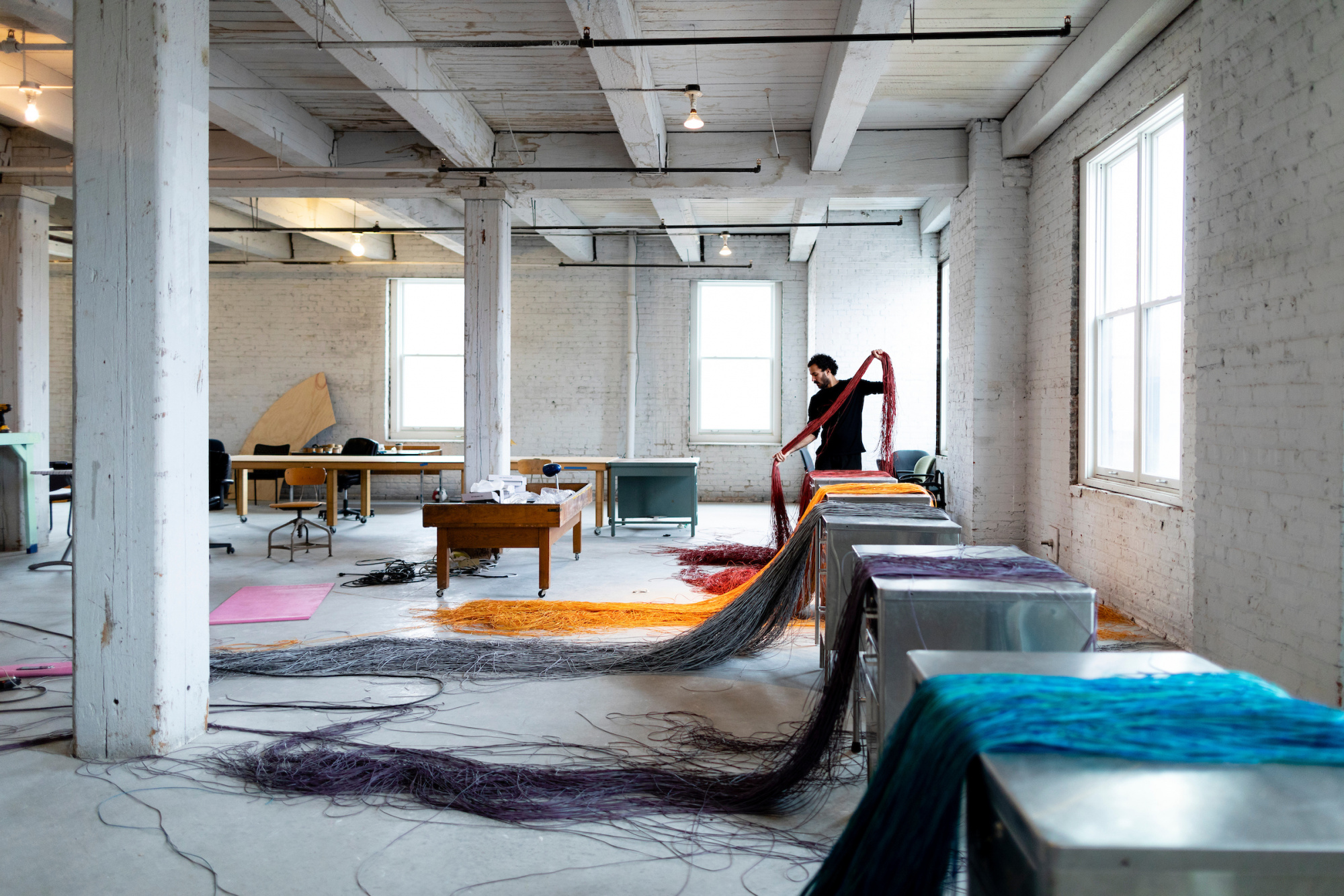
Most artist residencies begin with a romantic impulse and a practical problem. Someone inherits a farmhouse, or restores a mill, or looks at an empty wing of a museum and thinks: artists should work here. The impulse is good. The problem is that running a residency is far less about real estate than it is about hospitality, judgment, and follow-through — and the programs that artists rave about have usually figured that out the hard way.
This guide is for the person at the beginning of that journey. Whether you're a single founder with a spare cottage or an institution spinning up a formal program, the fundamentals are the same.
Start with one honest question: what are you offering an artist that they can't get at home?
Every good residency is an answer to that question. For MacDowell, it's uninterrupted time and a meal delivered to the studio door so the artist never has to break concentration. For a remote program in the mountains, it might be silence and a horizon. For an urban one, it might be a community, a fabrication shop, and studio visits with curators who would never return an email otherwise.
You don't need to offer everything. You need to offer something specific, well, and honestly. The worst residencies are the ones that promise a transformative experience and deliver a drafty room and a vague sense that you're in the way.
The three things artists actually need
After time, almost everything a residency provides falls into three buckets:
Space to work. A real studio, appropriate to the disciplines you serve. A painter needs light and ventilation. A writer needs a door that closes. A sculptor needs a floor that can take it. If your "studio" is a corner of a shared room, say so plainly — some artists will still want it.
A place to live that doesn't add stress. Clean, private where possible, with reliable heat, hot water, and wifi. This sounds obvious. It is routinely gotten wrong.
Freedom from logistical friction. The magic of a residency is that the artist's only job is to make work. Every errand you remove — meals, transit from the airport, a bike to borrow, a list of where to buy materials — is time and mental bandwidth returned to the practice.
Decide your funding model before you open the door
Be ruthlessly clear about who pays for what. There are really only a few honest models: fully funded (you cover everything, sometimes with a stipend), fee-based (the artist pays, often on a sliding scale), or some blend with need-based fellowships. All three are legitimate. What's not legitimate is being coy about it. We've written more about this in Fee-Based vs Free Residencies, and the same logic applies from your side of the desk: artists will forgive a fee, but they won't forgive a surprise.
If you charge a fee, build in fee waivers from day one. The Alliance of Artist Communities and W.A.G.E. have both pushed the field toward equity for good reason — a program that only the already-comfortable can attend is a narrower, less interesting program.
Selection is your reputation
How you choose artists is your program's character. A jury of respected practitioners, rotated regularly, signals seriousness. A transparent rubric protects you from accusations of favoritism. Clear, humane rejection emails — sent on the date you promised — are remembered for years. We cover this in depth in Building a Selection Committee That's Fair, Fast, and Defensible.
Then comes the part nobody photographs
The residency brochure shows the beautiful studio. The residency experience is the first awkward dinner, the resident who's homesick on day three, the printer that jams the night before an open studio, the two artists who don't get along. Good programs over-invest in the human infrastructure: an onsite coordinator who actually answers the door, an orientation that covers the unglamorous logistics, and a culture of communal meals or gatherings that lets a cohort become a community without forcing it.
Measure success the way artists do
You'll be tempted to measure success in applications received or press mentions. Artists measure it differently: did I make the work I came to make? Was I treated like a professional? Would I tell a friend to apply? Those are the metrics that compound into reputation — and reputation is the only marketing a residency really has.
That's also exactly why we built the ratings and reviews at the heart of this platform. Artists talk to each other. They always have. The residencies that thrive over decades are the ones where that conversation is overwhelmingly positive — not because they spent money on advertising, but because they got the fundamentals right and kept getting them right.
A short starter checklist
- Define your offer in one sentence an artist would repeat.
- Write down exactly what's provided and what isn't. Publish it.
- Pick a funding model and build in equity (waivers, stipends, or sliding scale).
- Set up a real selection process with a rotating jury and a published timeline.
- Invest in the unglamorous: heat, wifi, an onsite human, clear arrival instructions.
- Tell artists the deadline for decisions — then hit it.
- Ask every departing cohort what to fix. Fix it.
Running a residency well is one of the most generous things an institution or individual can do for the culture. It's also harder than it looks and more rewarding than almost anything else. Start small, be honest, and let the artists tell you how you're doing.
Ready to put your program in front of artists who are actively looking? List your residency on RMAR — it's free.